







Search Results for: bitter extraction

Analyzing the Causes of Coffee Bitterness: How to Distinguish Over-Extraction from Over-Roasting and Precisely Adjust Pour-Over Parameters
Many coffee enthusiasts, when they encounter bitterness during pour-over brewing, instinctively cut off the tail end of the extraction—but is bitterness really only coming from the tail end? In fact, the sources of coffee's bitterness are complex: they are related both to the order in which compounds dissolve during extraction and to the degree of roast. Front Street Coffee will guide you through a deeper understanding of the true causes of coffee bitterness, teach you to distinguish between the bitterness caused by over-extraction and that caused by too dark a roast, and share how to avoid unnecessary bitterness by adjusting pour-over parameters such as grind size, water temperature, and time, so that every cup of coffee comes closer to your ideal flavor. [more…]
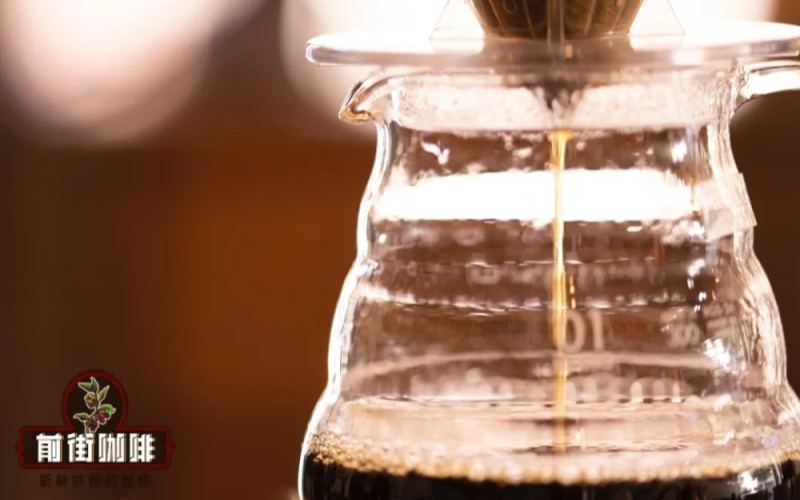
What to Do If Coffee Is Too Bitter? A Side-by-Side Test Comparing the Effects and Mechanisms of Adding Sugar vs. Salt
The bitterness in coffee usually comes from two directions: first, over-extraction bitterness caused by too long an extraction time or too strong an extraction force; second, the burnt bitterness produced by too dark a roast. For people who cannot quite accept bitterness, how to improve the taste of a cup of coffee without wasting it becomes a practical issue. The traditional approach is to add sugar, while another unique way is to add salt. Starting from the sources of bitterness, this article will analyze the principles by which sugar and salt improve bitterness, and through actual brewing comparison experiments, see which method is more suitable for your cup of bitter coffee. The article also covers bean recommendations such as Front Street Blue Mountain No. 1 and Front Street Indonesian Mandheling for friends who pursue a rich, full-bodied, burnt-aroma taste, as well as the specific parameters and conclusions of an over-extraction experiment using Front Street PWN Golden Mandheling. [more…]
The Impact of Extraction Time on Pour-Over and Espresso Flavor and the Release Patterns of Sourness, Sweetness, and Bitterness
Why is coffee extraction time so critical? It all comes down to the soluble flavor compounds that make up just 30% of a coffee bean. These compounds fall into three categories—acids, sugars, and bitter substances—each with a different dissolution rate and peaking at different times. If extraction is too short, the coffee tastes thin and sharply acidic, lacking the support of sweetness and bitterness; if it goes on too long, bitterness overwhelms everything else. Therefore, ending extraction after sweetness has been released in abundance but before bitterness floods in is the key to a balanced cup. For pour-over coffee, using 15 grams of beans as an example, the time is typically kept between 1 minute 50 seconds and 2 minutes 25 seconds. Additionally, acidity, sweetness, and bitterness are not released sequentially but simultaneously—only their peak moments differ. This is a common misconception. [more…]
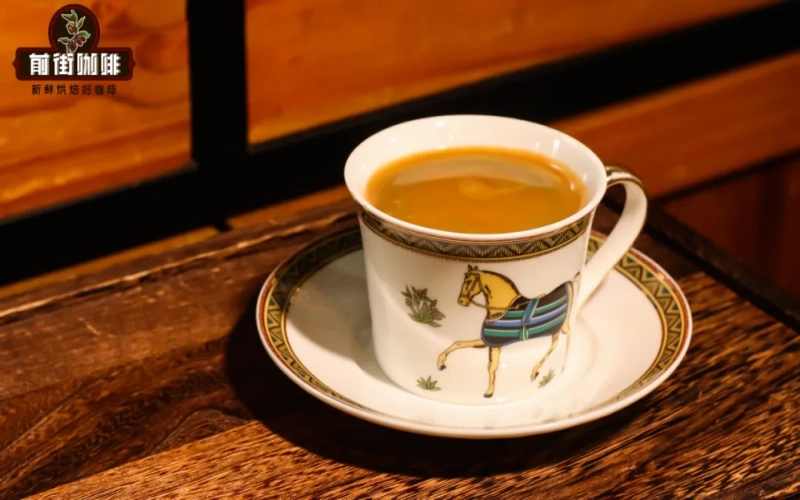
Why Does Hot Americano Taste as Bitter as Chinese Herbs? From Bean Selection to Extraction, a Guide to Making Smooth Americano
Hot Americano is often teased for having a bitter taste reminiscent of "Chinese herbal medicine" or "herbal tea," so many people switch to iced Americano. But when the weather turns cold, a warm cup of coffee is still a must. Why is hot Americano more bitter than iced Americano? The key lies in the fact that high temperatures amplify the taste buds' perception of bitterness, while higher concentration makes the flavors more intense. However, temperature and concentration are merely amplifiers—what truly determines the upper limit of bitterness is the coffee beans and the extraction plan. This article systematically explores how to make hot Americano smoother, from coffee bean roast level and extraction rate adjustments to fine particle handling, and retains recommendations for multiple Front Street Coffee bean varieties, helping you make a balanced, easy-drinking cup of Americano at home or in a shop. [more…]
Typical signals, causes, and countermeasures of over-extracted coffee, and whether coffee grounds can be re-brewed
When many people drink a cup of coffee that tastes on the bitter side, their first reaction is, "Has this cup been over-extracted?" But bitterness cannot be directly equated with over-extraction. This article focuses on over-extraction, first explaining what it is—according to the Golden Cup theory and Front Street Coffee's daily practice, an extraction yield above 22% is considered over-extraction; then, from a sensory perspective, it outlines the three typical manifestations of over-extracted coffee: burnt bitterness, astringent bitterness, and off-flavors, and analyzes their causes one by one, such as water temperature being too high, grinding being too fine, contact time being too long, stirring being too vigorous, and too many fines. Finally, it offers two practical ways to avoid it: adjusting the brewing parameters and discarding the tail end of the brew, while also addressing the question of whether coffee can be brewed repeatedly, helping coffee lovers judge and improve their brewing results more accurately. [more…]

What Exactly Is Flow Cut-off in Pour-Over Coffee? An In-Depth Look at Why It's Not Recommended to Cut the Flow Casually
In the world of pour-over coffee, the technique of "flow cutoff" is regarded by many beginners as a clever trick to avoid over-extraction—by simply removing the dripper early during the extraction, it seems you can shut bitterness out. However, Front Street Coffee has found that this seemingly smart approach actually hides a misconception: flow cutoff cannot truly stop the release of bitter compounds, and it may instead strip away the coffee's rich layers and lingering aftertaste. So how exactly is bitterness dissolved? Why can't flow cutoff stop bitterness? In what scenarios is using flow cutoff correct and necessary? This article, drawing on Front Street Coffee's brewing experience, will answer these questions one by one, helping you make a clearer brewing decision between the coffee-to-water ratio and the coffee-to-beverage ratio. [more…]
How Coffee Grind Size Affects Extraction and Flavor: A Comprehensive Analysis from Extraction Yield to Bitterness Control
The coarseness of coffee grounds directly determines the resistance and contact area when hot water passes through the coffee bed, which in turn affects the flavor direction of the final cup. A short extraction time requires finer particles to increase surface area; a longer time requires larger particles to avoid over-extraction. Grind size and extraction time need to form a proportional relationship to balance acidity, sweetness, and bitterness. Light and dark roasts also have different requirements for grind size: light roasts favor slightly finer grinds, while dark roasts favor slightly coarser ones. In addition, coarseness is also a key lever for controlling bitterness: too fine and all the astringent, bitter compounds are released; too coarse and the sweet aromatics remain trapped in the grounds. This article will systematically review how grind size affects extraction yield, flavor, and equipment compatibility, and offer practical directions for adjustment. [more…]
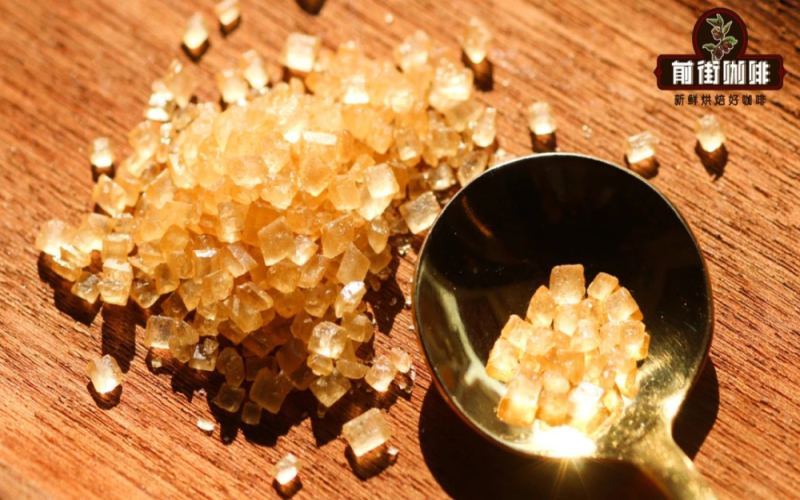
How can pour-over coffee highlight sweetness? A detailed explanation of the high-strength, low-extraction approach and practical parameter settings.
For many people, the most important thing about drinking coffee is that sweetness, but bitterness always easily barges in and ruins the party. In fact, coffee flavors are released in a sequence—sweetness and acidity come first, bitterness and off-flavors later. As long as you stop before bitterness dissolves out in large amounts, you can get a cup dominated by sweetness. This is the "high concentration, low extraction" approach we're discussing today: push the concentration higher while keeping the extraction yield at a suitably low level, so sweetness stands out and bitterness is suppressed. Below, we'll start with the Golden Cup extraction standard, explain what high concentration, low extraction is, its origins in Japanese dark roast brewing, and provide a directly usable pour-over recipe for light roasts. [more…]
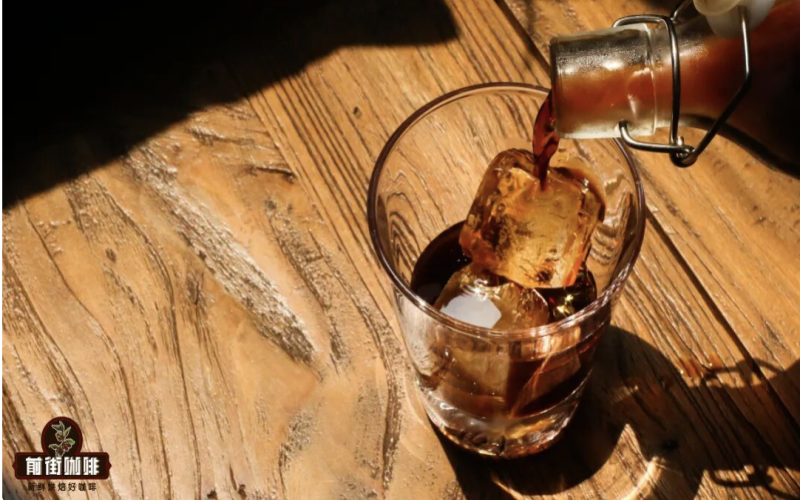
Why isn't cold brew bitter? Understand the principle and choose beans more wisely in summer
The same bag of beans, hot-brewed, comes out bitter and astringent, but made into cold brew, it's clean, sweet, and delicious. This isn't an illusion—it's determined by the principles of extraction. Once you understand "why cold brew isn't bitter," you'll know what kind of beans to choose for summer, and you'll never have to worry about buying "cold bitter water" again. Where does coffee's bitterness come from? The bitterness in a cup of coffee mainly comes from [more…]
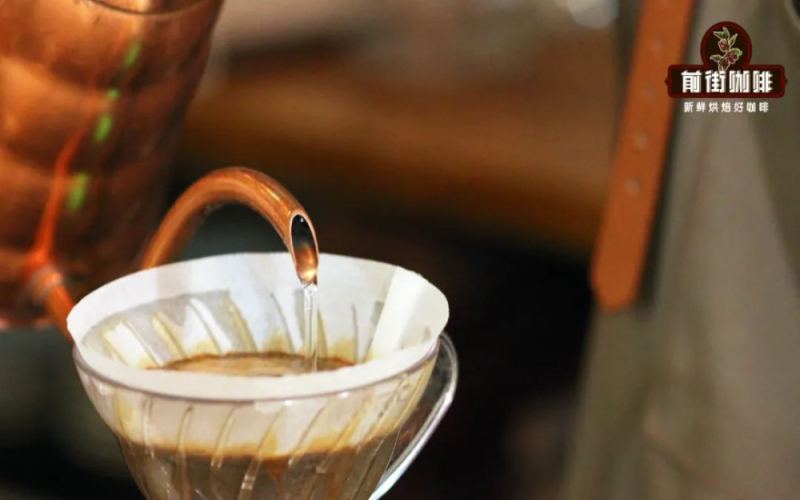
Too Many Fines in Pour-Over Causing Bitterness? Try the Low-Temperature Bloom Method to Lower Extraction Yield
In pour-over coffee, over-extraction is one of the main causes of bitterness, and the excessive fines produced by underperforming grinders often exacerbate this problem. Front Street Coffee has previously introduced the stepped temperature-decline extraction method to reduce the extraction rate in the middle and latter stages, and this time we'll share using low-temperature water for the blooming stage. Emi, the 2018 WBrC champion, once adopted a low-temperature blooming strategy, using a valve dripper to alternate immersion and drip extraction, with the aim of gently extracting sweetness and avoiding a dry finish. Front Street tested with Ethiopian Hualigui beans, which had a fines rate of 14% when ground with a hand grinder, and produced a lingering dry bitterness after conventional brewing. By adjusting the blooming water temperature to 83°C, extending the blooming time to 35 seconds, and then raising the water temperature to 93°C for subsequent pours, the result was a balanced flavor with rich berry-like sweetness and acidity, a noticeable tea-like aftertaste, and no bitterness. If you've also struggled with over-extraction, you might want to consider this approach. [more…]
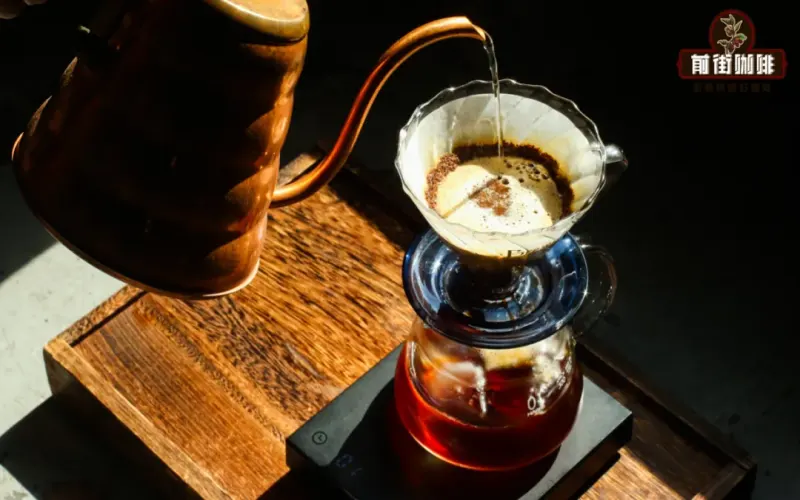
How to Bring Out Sweetness in Pour-Over Coffee? Analyzing Extraction Models and Adjustment Methods for Two Common Problems
The appeal of coffee's sweetness lies in its ability to trigger dopamine release, bringing a pleasurable sensation. But sweetness does not exist in isolation; it is a flavor that stands out after acidity and bitterness have been harmonized with each other. Starting from extraction models, this article explains the release patterns of sweet, sour, and bitter compounds at different stages, and points out that an ideal sweetness should pursue an extraction yield of 18% to 22%. It then addresses two common problems—over-extraction causing bitterness to suppress sweetness, and overly conservative brewing resulting in strong acidity and weak sweetness—and gives specific adjustment suggestions for water temperature, grind size, coffee-to-water ratio, and the number of pouring stages. The article also recommends several Front Street Coffee sweet-tasting bean lists at different roast levels for readers to refer to and choose from. [more…]
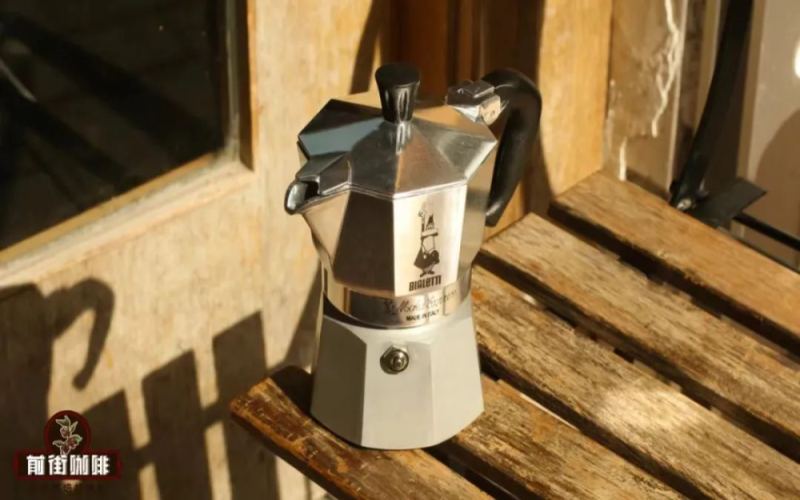
Why is Moka Pot Coffee Always Burnt and Bitter? Light or Dark Roast Beans—Which Is More Suitable?
Many coffee enthusiasts often encounter the problem of burnt and bitter coffee when using a moka pot, making it hard to achieve the ideal aroma and balance. In fact, this is mainly closely related to over-extraction, especially localized over-extraction. Based on the practical experience of Front Street Coffee, this article will provide an in-depth analysis of the causes of burnt and bitter moka pot coffee, and share a full set of solutions from coffee bean selection to specific operating parameters, helping you easily make a cup of moka pot coffee with full flavor and a rich, smooth taste. [more…]
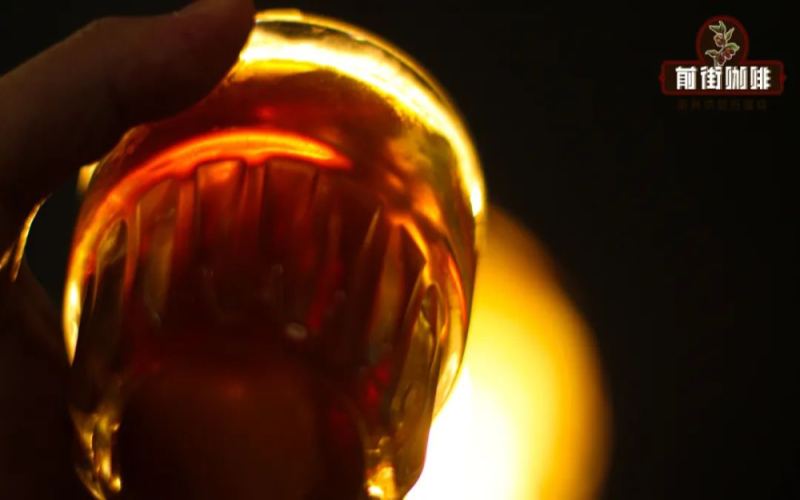
Why Does Pour-Over Coffee Taste Sharply Sour? Analyzing Under-Extraction and How to Balance Sourness, Sweetness, and Bitterness
Many coffee enthusiasts enjoy a well-balanced pour-over in cafés, with its harmonious blend of acidity and sweetness, yet when they brew at home, they often end up with a sharp, jarring sourness that leaves them puzzled. In reality, the flavor of coffee depends on the proportions of three types of substances: acids, sugars, and bitters. Sharp sourness is often a sign of imbalance—it’s not necessarily that there are too many acidic compounds, but rather that not enough sweet and bitter substances have been extracted. Front Street Coffee will take a deep dive into the principles behind sharp sourness and, from three angles—lowering the coffee-to-water ratio, extending the extraction time, and raising the water temperature—provide concrete, actionable adjustments to help you brew a smooth, mellow pour-over at home. [more…]

Is your pour-over coffee bitter and astringent? Understand the three causes of over-extraction and dial in your grind, time, and water temperature.
Does your pour-over coffee taste bitter and muddled? The problem is very likely over-extraction. The soluble substances in coffee beans make up about 30%, and among them are components that bring bitterness, astringency, and off-flavors. Once extraction goes too far, these negative flavors are released in large amounts. In this article, Front Street Coffee will walk you through the nature of over-extraction and, starting from the three key dimensions of grind size, extraction time, and water temperature, explain how to troubleshoot and correct coffee that has turned bitter, including how to use a No. 20 sieve to judge grind coarseness, how to control duration with the dripper and pouring rhythm, and the suitable water temperature ranges for different roast levels, helping you steadily brew a clean, balanced, and delicious cup of coffee. [more…]

How to Identify Under-Extraction and Over-Extraction in Coffee: Judging Extraction Problems from Sourness, Bitterness, Saltiness, Aftertaste, and Flavor Performance
Judging whether a cup of coffee tastes good varies from person to person, but when it comes to the defective flavors caused by extraction problems, people often reach a consensus. This article, from the perspective of Front Street, introduces the specific taste manifestations of under-extraction and over-extraction. When under-extracted, coffee presents sharp acidity, noticeable saltiness, a lacking finish, and thin flavor; over-extraction, on the other hand, allows bitterness to greatly suppress other flavors. The article also specifically reminds us not to rigidly adhere to the golden cup extraction numbers, because bean quality and processing methods can cause deviations from theory, and ultimately the real sensation on the palate should be the basis for judgment. [more…]

The Complete Guide to Latte Coffee Ratios: The Logic Behind Espresso and Milk Proportions, and the Causes and Solutions for Bitterness and Weakness
Latte is the starting point for many people's introduction to espresso, but when making it at home, it often turns out bitter or weak. The key to an ideal latte lies in whether the espresso extraction state and the milk ratio are appropriate. Based on Front Street Coffee's practical experience, this article sorts out the standard ratios for hot lattes and iced lattes, analyzes the root causes of three common problems—too bitter, too weak, and both bitter and weak—and provides corresponding adjustment approaches. It also introduces two espresso beans suited to different taste needs, Front Street Coffee Dark Cocoa Blend and Front Street Coffee Strawberry Candy Espresso, to help readers reliably recreate a balanced and smooth milk coffee at home. [more…]
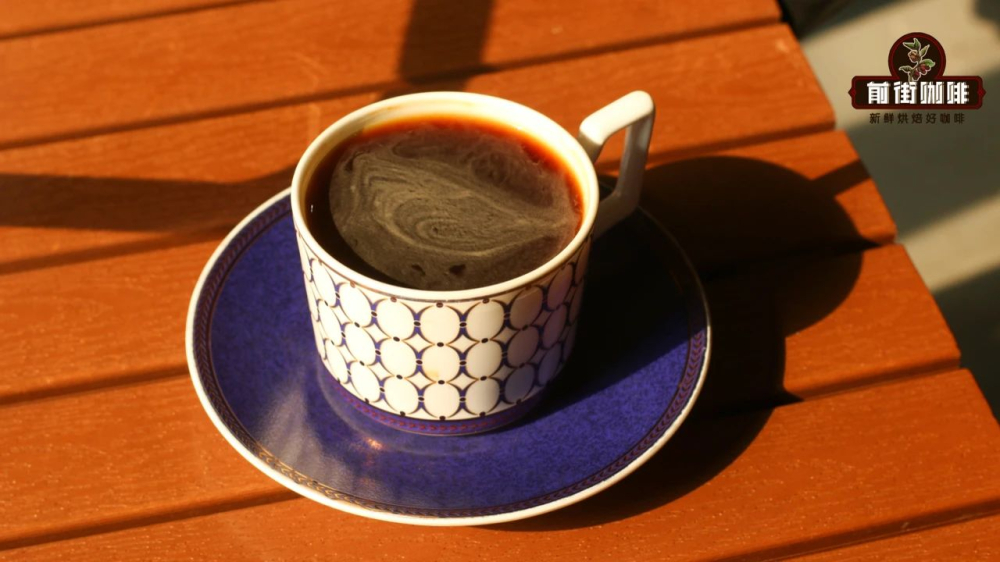
American-Style Flavor | Why Is Americano Bitter? What Factors Affect the Taste of Americano Black Coffee? Why Is Iced Americano So Bitter Yet So Popular?
Introduction: Americano can be said to be a type of coffee that many consumers greatly enjoy. It is convenient, quick, and can rapidly satisfy most people's caffeine needs. At the same time, it consists of only two parts: water and espresso, making it a type of what we commonly call black coffee. Black coffee also reflects the quality of the coffee beans, so [more…]
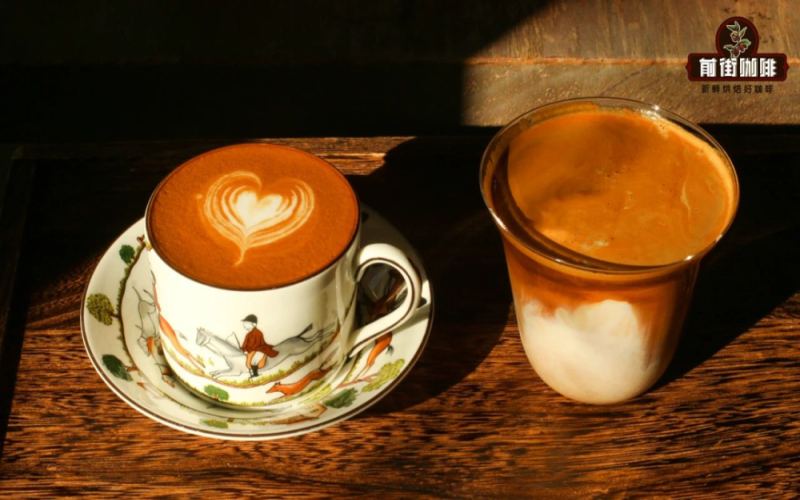
Why Is Latte Coffee Still Bitter? A Full Analysis of Espresso-to-Milk Ratios, Extraction Levels, and Coffee Bean Selection
Latte is the espresso drink most easily accepted by many people new to coffee, but quite a few find that the lattes they make themselves or buy outside still taste bitter. Where exactly does the bitterness come from? This article analyzes it from three angles: the roast level and varietal quality of the coffee beans, whether the espresso extraction is over-extracted, and individual sensory sensitivity, while also explaining how to improve the taste by adjusting extraction parameters or the ratio of milk to coffee. The article also recommends two beans, Front Street Classic Blend and Front Street Strawberry Candy Espresso Blend, to help you make a smooth, distinctly sweet milk coffee at home. [more…]

Why Does Cold Brew Coffee Taste Bitter and Astringent? Four Common Mistakes and a Detailed Guide to Steeping Time Parameters
Cold brew coffee is made by steeping coffee grounds in cold water for a long time. Because low-temperature extraction has a high tolerance for error, it usually does not over-extract easily. But in practice, many people still end up with cold brew that has obvious bitterness, muddled flavors, and astringency. The problem often lies in four areas: using hot water for blooming or warm water for steeping, choosing dark-roast beans, steeping for too long, and using too large a coffee-to-water ratio, which leads to too high a concentration. In this article, Front Street breaks down the extraction principles behind these improper practices one by one, and gives specific recommendations for regular water temperature, grind size, coffee-to-water ratio, and steeping time, while also explaining what scenarios the 1:10 and 1:12 ratios are suitable for. If your cold brew also tastes bitter, you may want to troubleshoot by comparing it against these points. Once you find the root cause, you can consistently make a smooth cup of cold brew coffee. [more…]
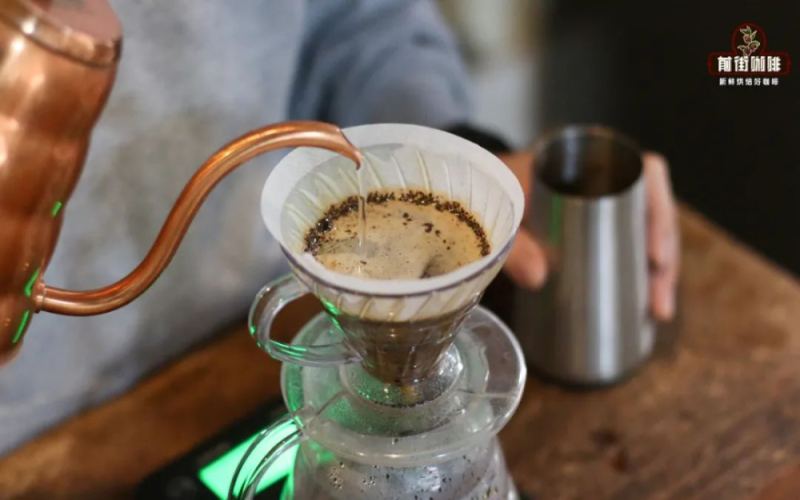
Why Does Pour-Over Coffee Frequently Turn Out Burnt, Harsh, and Bitter? An In-Depth Analysis of Over-Extraction and How to Fix It
Many coffee enthusiasts have encountered this frustration during pour-over brewing: even though the beans are of decent quality, the resulting coffee carries an unpleasant burnt or muddled bitterness. This flavor is often attributed to "over-extraction," but what exactly is the mechanism behind it? This article will systematically break down the science of over-extraction, analyze the various parameter factors that lead to excessively high extraction efficiency, and share Front Street Coffee's experience in building brewing recipes—specifically how choosing high-tolerance parameters can help avoid undesirable flavors—so you can more confidently brew a clean and delicious pour-over coffee. [more…]